El Salvador: The Country That Bet on Bitcoin and Lost
Nayib Bukele made Bitcoin legal tender for 6.5 million people. The IMF threatened to cut funding. 92% of Salvadorans never used it. Four years later, the experiment was over.
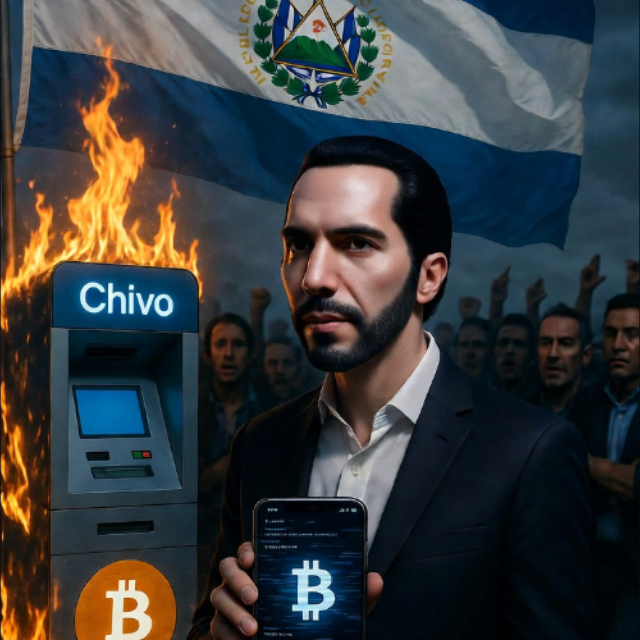
On September 7, 2021, El Salvador became the first country in history to adopt Bitcoin as legal tender. President Nayib Bukele announced it at Bitcoin Conference 2021 in Miami via video call. The crowd went insane. The crypto community celebrated. The IMF panicked. And 6.5 million Salvadorans were about to get a crash course in volatility they never signed up for.
The Bitcoin Law required every merchant in the country to accept BTC as payment. The government launched a digital wallet called Chivo, offered every citizen $30 in free Bitcoin to download it, and installed 200 Bitcoin ATMs across the country. Bukele tweeted about "buying the dip" every time the price dropped. He styled himself as the world's coolest president.
The reality on the ground was different. Only 15% of Salvadorans trusted Bitcoin at launch. 70% opposed adoption. The Chivo wallet was plagued with bugs, identity theft, and processing failures. It crashed on launch day. Protesters in San Salvador literally set a government Bitcoin ATM on fire.
Adoption never took hold. By 2024, 92% of Salvadorans said they did not use Bitcoin for transactions. Only 1.3% of remittances used crypto. 86% of businesses reported zero Bitcoin transactions. Most people who downloaded Chivo did it for the $30 bonus and immediately converted it to dollars. The country still ran on cash and USD.
The investment side was also rough. Bukele spent approximately $150 million of national reserves buying Bitcoin. When BTC crashed 70% in 2022, El Salvador's holdings lost more than half their value. Moody's downgraded the country's credit rating. The IMF demanded Bitcoin's legal tender status be rolled back as a condition for a $1.4 billion financial assistance program.
In January 2025, El Salvador revoked Bitcoin's legal tender status. Businesses were no longer required to accept it. The experiment was over. It lasted three years and four months. Bukele's government framed it as a strategic pivot. Critics called it an expensive failure imposed on a poor country that never wanted it.
The one measurable positive: tourism tripled between 2021 and 2024, partly driven by "crypto tourists" who wanted to visit the world's first Bitcoin nation. The branding worked even if the policy did not.
The Aftermath
El Salvador revoked Bitcoin's legal tender status in January 2025 as an IMF condition for $1.4B in financial assistance. The government retains 6,088 BTC. Bitcoin adoption peaked at 8% of the population. Tourism tripled. The Chivo wallet was effectively abandoned. The experiment is the most significant real-world test of Bitcoin as national currency - and it failed.
COMMENTS