Shiba Inu: The 'Doge Killer' That Almost Did It
The 'Dogecoin killer' hit a $40B market cap. Vitalik burned $6.7B of it.
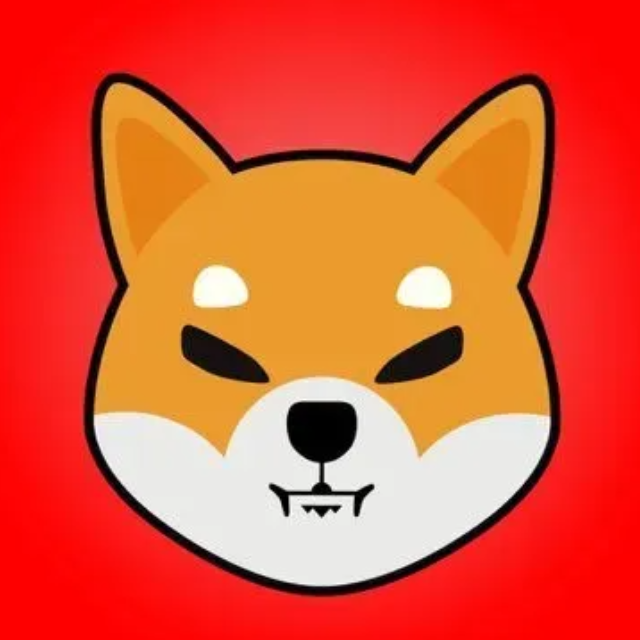
Shiba Inu launched in August 2020, explicitly marketed as the "Dogecoin Killer." The anonymous creator "Ryoshi" sent 50% of the total supply to Vitalik Buterin's wallet. The logic: if Vitalik holds it, people will think he endorses it. It was a marketing stunt disguised as generosity.
Vitalik did not endorse it. In May 2021, during India's devastating COVID-19 wave, he donated $1 billion worth of SHIB to India's COVID relief fund. Then he burned 410 trillion SHIB tokens (worth roughly $6.7 billion at the time), permanently removing them from circulation.
The community initially panicked, then celebrated. Vitalik's burn was treated as bullish because it reduced supply. The India donation generated global press coverage. SHIB was suddenly in every headline.
By October 2021, SHIB peaked at a $40 billion market cap. People who had bought $100 worth at launch were millionaires. The returns were so extreme that they created a new generation of meme coin degens who spent the next three years chasing the next SHIB.
SHIB has since declined over 85% from its peak. The "Dogecoin Killer" did not kill Dogecoin. But it proved that meme coins were not a one-time phenomenon. They were a permanent feature of crypto markets, powered by community, FOMO, and the dream of life-changing returns from a $50 bet.
Ryoshi deleted all social media in 2022 and has never been identified. The decentralized origin story was maintained to the end.
The Aftermath
SHIB spawned an entire ecosystem including ShibaSwap, BONE, LEASH, and Shibarium (its Layer 2 network). It remains one of the top meme coins by market cap despite massive decline from peak. Ryoshi vanished in 2022.
COMMENTS